Features
What Nonprofit CRMs Handle That Sales CRMs Can't
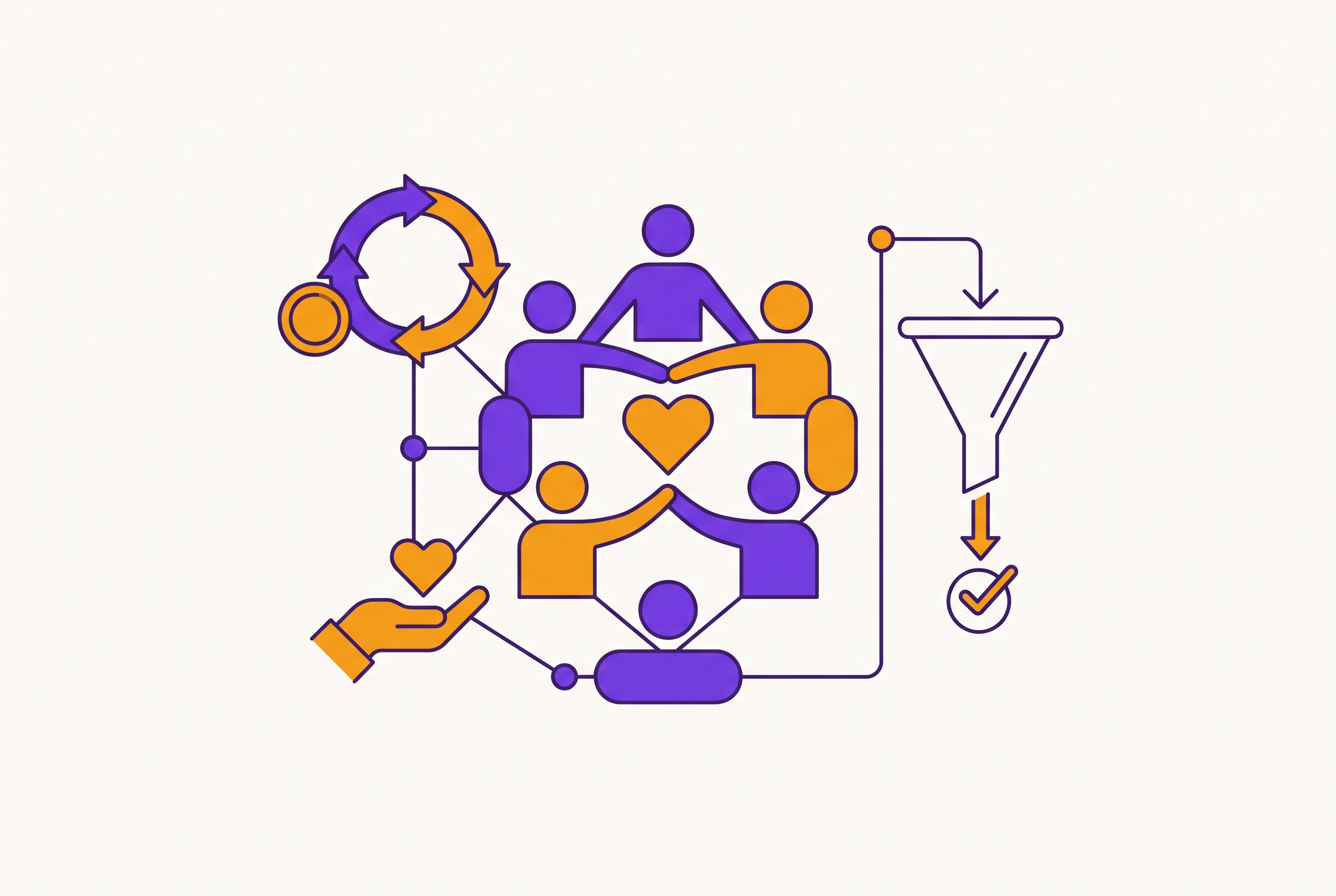
Nonprofit CRMs track donor relationships and recurring gifts that sales software cannot support.
By CRM Reviewer Editors
Features
Nonprofit CRMs track donor relationships and recurring gifts that sales software cannot support.
By CRM Reviewer Editors
Features
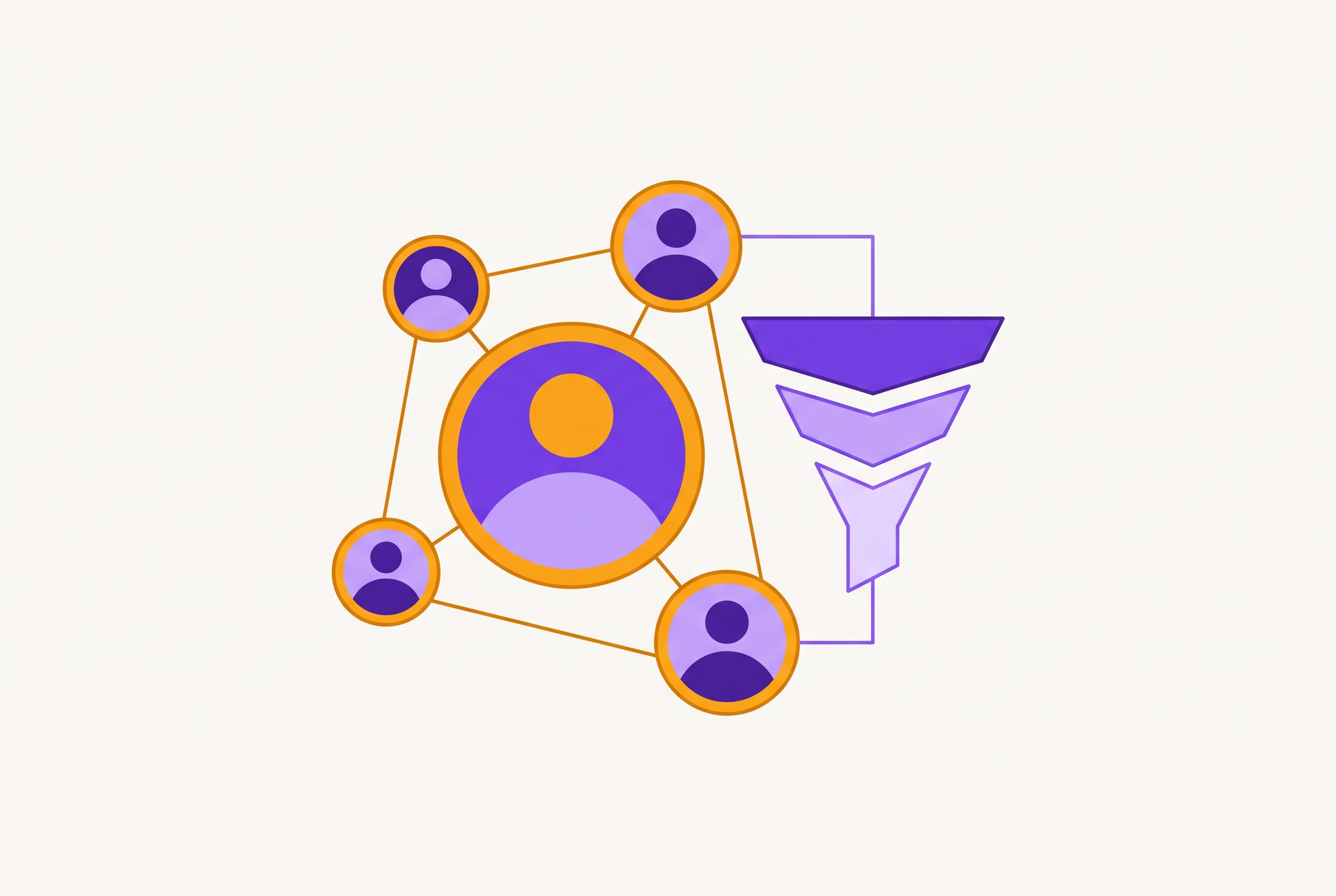
CRM systems nurture talent across hiring cycles that applications alone cannot capture.
Features
CRMs handle grant cultivation; compliance and restricted funds demand their own software.
Features
ATS and CRM serve different hiring stages, not interchangeable tools.
Features
A true lead-management CRM enforces workflow discipline, not just pipeline records.
Most sales teams forecast inaccurately because they buy tools before fixing data.
Choosing a CRM vendor now means choosing an AI architecture, not just comparing features.
Static enrichment refreshes prospect data; dynamic enrichment keeps deals current.
AI amplifies poor data and bias across customer records at dangerous scale.
Copper embeds CRM workflows directly inside Gmail for teams already living there.
Built-in calling and unified contact history give inside sales reps an edge.
Starter targets first-time CRM users; Pro Suite fuels companies ready for complex automation.
Each platform's origin story shapes its fit within your existing technology stack.
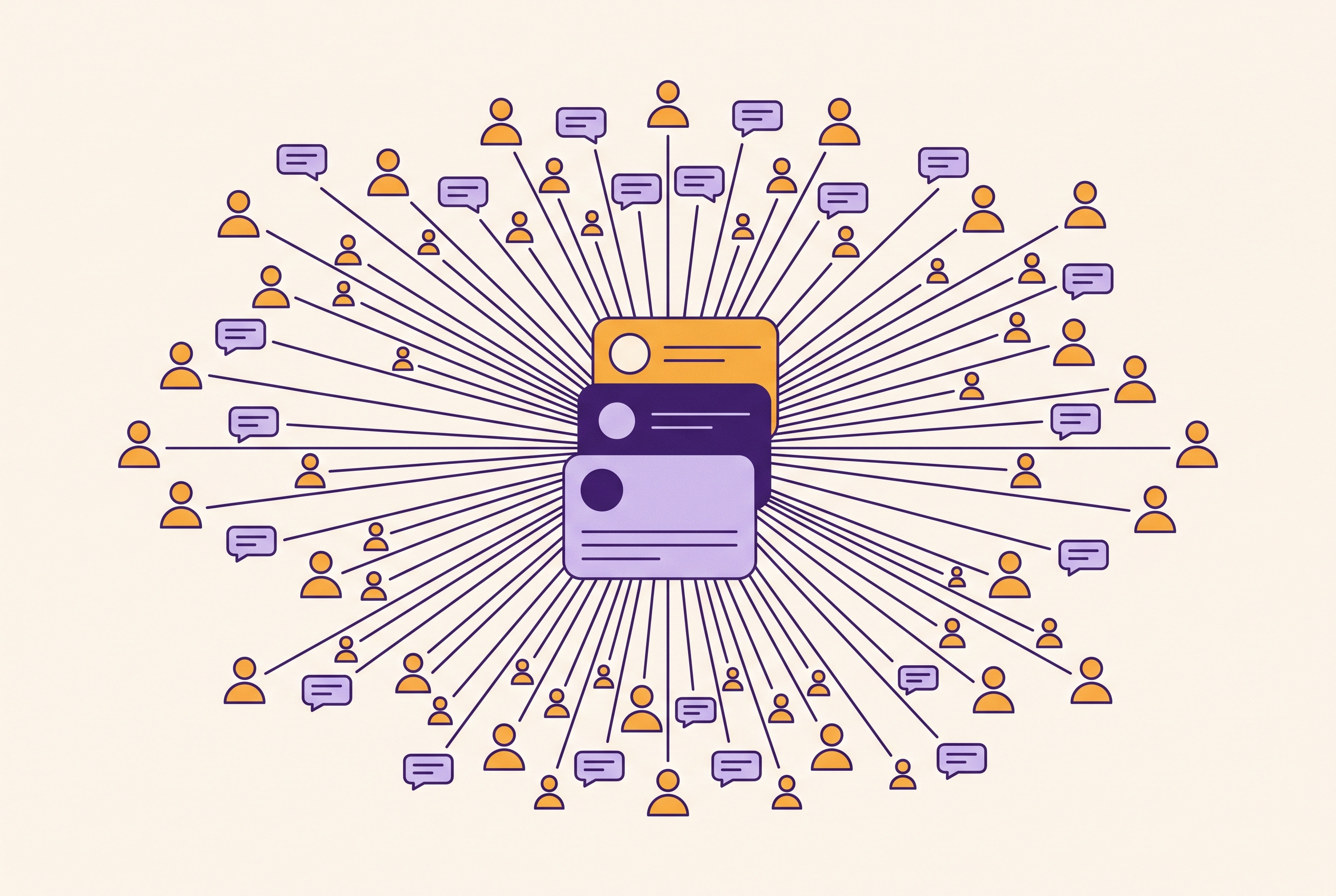
Most CRM software is built for B2B sales, leaving high-volume retailers to struggle.
Finance CRMs survive audits; generic ones just close deals.
Advisor CRMs differ sharply from sales tools in compliance depth and data structure.
Healthcare CRM tracks patient engagement separately from medical records.
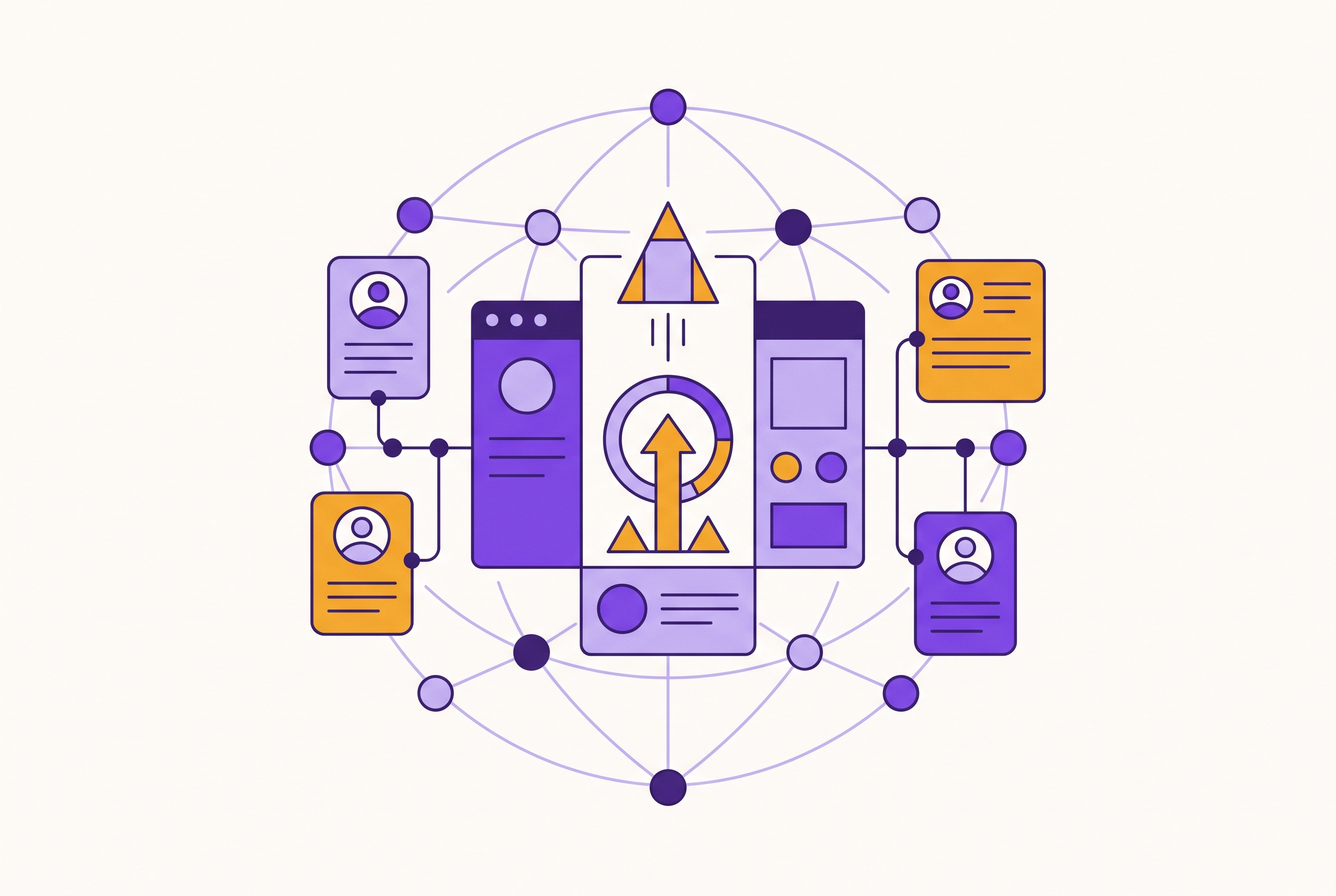
The right CRM adapts to how your team sells, not the other way around.
Zoho's free plan offers genuine automation and workflows without forcing an early upgrade.
Five preventable failure modes cause most CRM migrations to derail.
Most CRM pricing pages hide the true cost—licensing is only 30-40% of what you'll actually spend.